Comfort level: Regular, Delicate Sheer, or Permanent Press?

Home owners can be very creative people. This is especially true of people from previous generations and people here in South Salem, Oregon.


If I had a nickel for every automotive part used in plumbing repairs that I have seen….I would have enough for a happy meal….maybe.


Recently while diligently checking a home’s heating system this dryer control knob was noted on a wall heater. I am not sure how hot ‘permanent press’ is or even ‘Delicate sheer’ but I am sure the knob fits tight and with a little training, might help dry the home’s air.


If it was a snake….it would have been too late.

Ah, the hazards of poking around someone elses home. We do get a fair amount of rain during the winter months in western Oregon. All of that precipitation can sometimes lead to a high water table. That is one reason there are so many crawlspaces in this area. If water does come up out of the ground it is hopefully safely covered with a nice plastic vapor retarder, instead of wreaking havoc with finished surfaces.
It can be very common for inspectors to see standing water when it comes time to crawl around with the spiders. I am not afraid of water, however when water is present with electricity that is a different story.


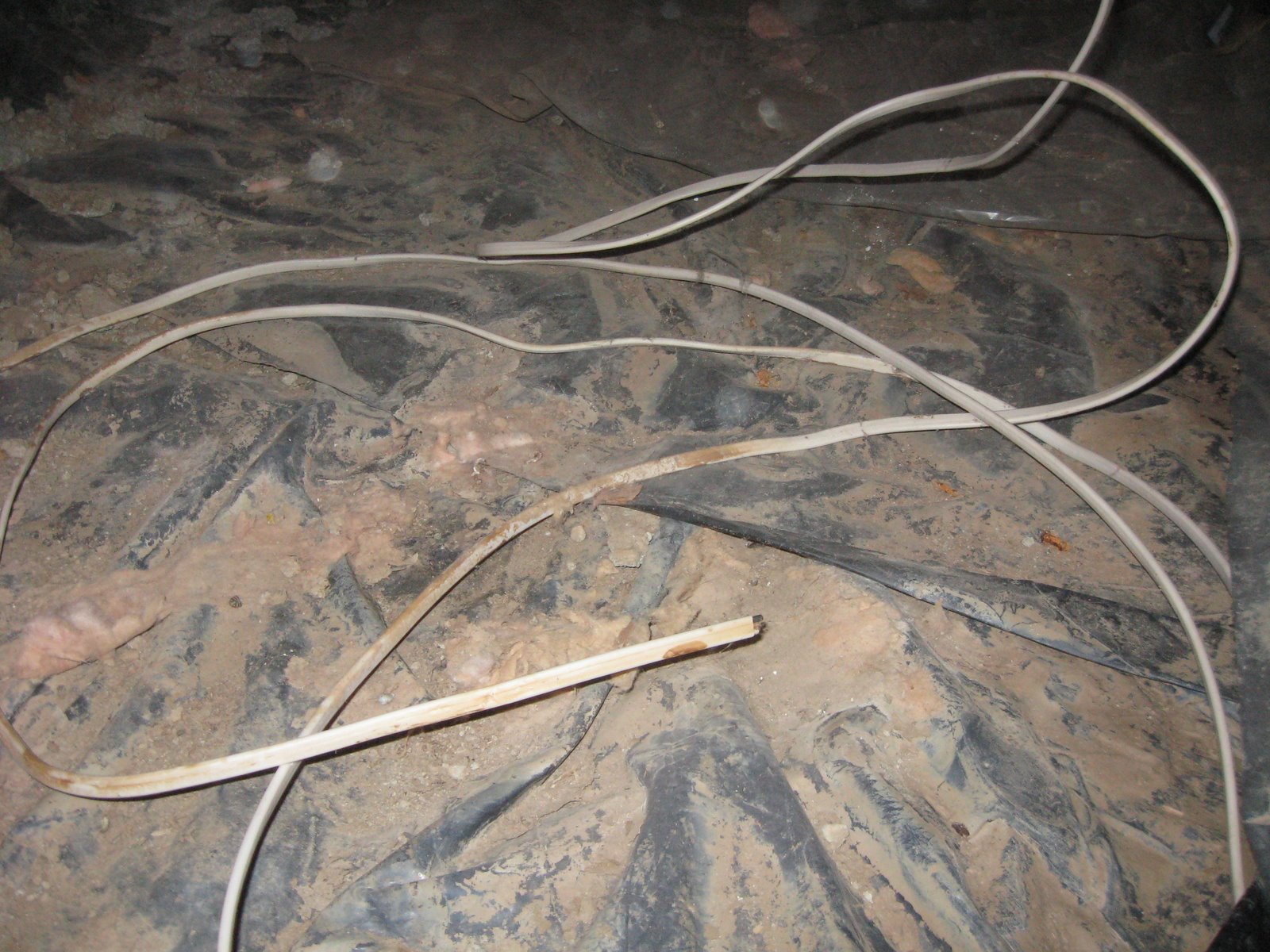
I came upon this deadly little coiled booby trap the other day.


This wonder piece of homeowner electrical handiness was currently energized, thank goodness the crawlspace was dry.


Where is this Water coming from?

Being an inspector equipped with a highly advance thermal camera I have been called upon to find quite a few leaks.

Leaks can be very frustrating and challenging. Our modern, climate controlled, super insulated and immaculately finished homes do not respond well to storm water on interior surfaces. Window sills swell, drywall turns brown, and wood floors crack. How rude it is when Mother Nature invites herself into the world we control.

A very interesting pattern has developed after a few dozen, “….help me find where this leak is coming from,” calls. A majority of the calls that were related to storm water had three significant things I common: the leakage could be noted in a window opening, the window was on the south side of the home and the siding was a lap type.

With properly installed flashing homes should not leak. However it is nearly impossible to ensure contractors install something properly especially if it is above and beyond those minimum building standards some call ‘codes’. Caulking is always a good first line of defense but if the openings are flashed properly, caulking should not even be needed to keep the home water tight.

Before all of our modern, space aged materials it was common knowledge to crack open a leeward window in windy and wet conditions. With a modern understanding of hydro-dynamics we now understand that when wind hits a home a low pressure vortex is actually created inside the home. This means that in windy, wet conditions water is not necessarily blown-in but pulled-in. When the window on the leeward side of the home is cracked open, the pressures are able to equalize. Many intermittent leaks can be slowed, stopped or completely prevented.

If you do have a leak around a window or door, your flashing is not adequate and should be repaired. This can potentially mean thousands of dollars. In the mean time, if the wind is blowing rain at your home, try cracking a window on the other side of the home.


This Carpenter is going to Destroying your Home

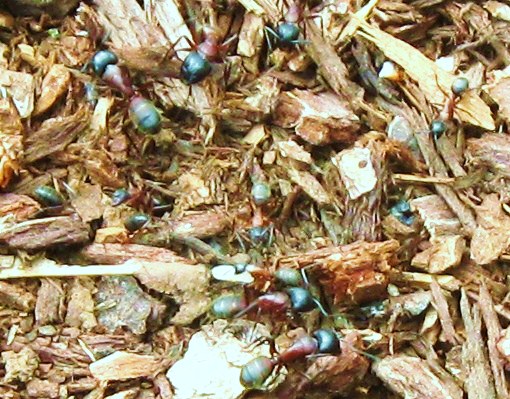
These carpenters just don’t care what you want and they are just going to make themselves at home.   They are just one of the three big players in the wood destroying insect world around Salem, Oregon.  Or the pest part of a “Pest and Dry rot” Inspection.  Overall carpenter ants are relatively easy to control but this control does require some environmental adjustment and future vigilance.

One of the most common conditions that cause ant activity is Bark dust/mulch.  Bark dust is used in this area as a mulch to beautify flower beds, limit rain splash and stifle weed growth.  Another thing that a thick layer of this stuff does is it provides a very favorable home to carpenter ants.  The large bulk piles the suppliers have are usually filed with ant nests and when your neighbor gets a large pile delivered you had better watch out!
The nest that was harmless in the bulk pile is relocated and now these ants start looking for a better home.

Depending on your home’s condition it might provide the perfect areas for the ants to move-in.  Another often overlooked area for carpenter ant activity and nest making is wood retaining walls.  Yes even the treated wood can be a great place for these critters to call home.  The reason poisonous treated wood is a good home for carpenter ants is because they do not actually eat the wood.  Unlike termites and anobiid beetles carpenter ants just hollow out the wood to make nests.  The ants eat insects and other little woodland creatures but not wood, so the poison does not effect their ability to make a nest.

Plants up against the home are probably the next big issue that contribute to ant activity.  The plants seem to keep the home more humid and may damage the siding allowing easier access.  Also if you are applying a perimeter treatment the ants can gain elevation on the plants and enter your home without touching the poison.
Any way you look at it plants in contact with your home, wood retaining walls and thick bark dust are all bad news and any of the many types of carpenter ants we have around the Salem, Oregon area would love to make themselves at home in yours.


Jim Allhiser President/Inspector
http://SalemOregonHomeInspections.com
503.508.4321         jallhiser@perfectioninspectioninc.com

“Always on the cutting edge”

Page copy protected against web site content infringement by Copyscape

Termites like boxed lunches

Come and get it!Crawl space maintenance is like going to the dentist. With a few simple and relatively easy maintenance steps you can keep the underside of your home from needing a root canal.

One very poplar issue I find is wood debris. When a home is built some of the wood framing or sheathing members will need some adjustment. Holes are bored, notches are cut and ends are scrapped to allow wires, pipes and pieces to fit. All of this adjustment adds up to a lot of wood scraps. If a contractor, make that human, can pass the clean-up buck they will. Eventually the wood that should-have-been cleaned up will get covered up, never to be seen again…..

Enter wood destroying organisms. (Termites, beetles, carpenter ants and fungal rot) These critters are opportunists. Most of the time wood destroying organisms will need relatively moist wood. If they can’t find an easy meal they go elsewhere.

All of those wood scraps that are in contact or close to the moist ground are a perfect snack. Once all of that wood is consumed the hungry critters will start to look for their next meal. Mm mm wood.

I know the termites will be disappointed that I suggested the removal of their boxed lunch. The contractor was very kind to think of the wood eating critter’s busy schedule. The box of cellulose is the perfect thing for the modern WDO’s hectic lifestyle.

Grow mold in your attic (vent to the soffit)

Ah mold. It is such a hot button. I know just by putting the word MOLD into my title this post will get attention.

People are interested, but I am still surprised at the lack of knowledge or the inaccuracy of knowledge (even you agents who need to know the basics).

This is not intended to be a general knowledge post. (go here for that) This is a heads up for everyone on the issues concerning acurrently accepted means of exhausting bathroom vents. It is acceptable, by International building codes to duct bathroom vents to an attic vent (any vent). This is usually a good thing and definitely better than venting directly into the attic. Recently I came across a very new home (only four years old) that had some mold growth in the attic. Not really a huge amount, however mold spores are microscopic and you cannot determine if it is affecting Indoor Air Quality without getting a lab involved. With closer investigation it could be noted the exhaust fan for the shower and toilet area was ducted to the nearby soffit vent. This is currently acceptable by building standanrds however in this case it was the root of the issue.

The way an attic vent system works is like a chimney, as the roof heats cool air is pulled into the soffit vents and hot air is exhausted out the ridge vents. So as the diligent home owners ran their exhaust fans during the steamy shower all of the warm steam was pointed at an intake vent!! All the moisture exhausted toward the vent and promptly turned around and was able to condense on the cool attic surfaces as the soffit vent did its job.

The Bomb in your Basement or Garage

Although in Salem Oregon water heaters do require a Minor Label for professional water heater installation, many handy home owners tackle this job on their own.

Here are just some of the things that well meaning installers can get totally wrong:

Lack of Straps: Water heaters in this area should be strapped on the top third and bottom third, to resist movement in a seismic condition. Water heaters are bombs, high temperature water under pressure can be an explosive combination. It is important to prevent the tank from moving.

Flue issues: This is absolutely important with gas appliances. If you don’t get the flue right you can allow carbon monoxide to freely enter your home. This particular flue was built out of vinyl dryer ducting. The plastic had been melting into a puddle on the top of the tank.

This is this home owners solution for the flue exhaust. The home owner may have thought that a clothes dryer and a gas fired water heater were basically the same thing.

Here is a picture of the draft hood in action. Notice the lighter’s flame tipped away from the hood. This means that flue gases, instead of going outside, are coming inside! This is potentially a deadly setup that has apparently been in place for years.

These are just some of the many things that can be done wrong by a less-than-handy handy person.

Ever been torpedoed by a Real estate Agent?


Earlier this week I got a message that said, “Hi I got your name from a friend of mine and he says that you are the best. I am going to schedule my inspection on your website. Give me a call if I did something wrong or you need more information.”

Fantastic! I love referrals like that. And in a little bit an email shows up on my phone that says the client has scheduled himself and we are all set.

Again fantastic! I love my website and online scheduling.

A little while later I get a call from his ‘wonderful’ agent, “I need to know if you are going to do a P & D. If not, I am going to find another inspector.”

No big deal. I have never worked with this agent and was actually looking forward to meeting her and showing her how detailed and helpful I could be for her and her client.

I call her as soon as I squeeze out of the crawlspace and she says, “… can you hold?” ………….5 minutes later……….I say, “I would be happy to do a Wood Destroying Organism Inspection for our clients.”

“How much do you charge…….Hmmm. That’s more than my clients are willing to pay. Let me call and talk to them. I will call you back.”

I started to have a bad feeling. I was pretty sure the client knew exactly how much the price was since he set the inspection up and he had to click on the price to finalize the appointment.

I called our client. He told me that his agent had everything set up with her inspector and she was going to do it her way because her inspector was cheaper and he would get paid out of closing and it just worked better for her.

I said, “She told you what to do about your inspection?…………Ok. I am sure her inspector will do a wonderful job. Thank you.”

Three hours later
his agent calls, “yeah he doesn’t need your services. Bye.”

Bummer. I don’t have any issues with an agent having a comfort zone of professionals she works with but come on. Not that I would have been willing to get paid out of closing but I may have matched the other inspector’s price. I guess I just would have preferred the agent telling me about the deals her inspector gives and giving me a chance to compete like a capitalist.

Oh well. I am absolutely happy with the current agents who feel comfortable enough to refer me on a regular basis and finding those agents has taken work.

How about you?

Have you ever been torpedoed?


My solute to Lazy Workmen

This is my tribute to all of those hard working plumbers, heating and air contractors, electricians and less than knowledgeable homeowners who just don’t care about their job and how it affects the structure of the building they are working on. Without you guys, us home inspectors would have a lot less to report on.

The pictures to the left show industrious contractors that although they understood the requirements of the systems they were installing they didn’t care how it effected the rest of the home’s structure.


Here are a few guidelines on how and when floor joists should be cut

According to the 2003 IRC:

R802.7.1 Sawn lumber. Notches in solid lumber joists, rafters and beams shall not exceed one-sixth of the depth of the member, shall not be longer than one-third of the depth of the member and shall not be located in the middle one-third of the span. Notches at the ends of the member shall not exceed one-fourth the depth of the member. The tension side of members 4 inches (102 mm) or greater in nominal thickness shall not be notched except at the ends of the members. The diameter of the holes bored or cut into members shall not exceed one-third the depth of the member. Holes shall not be closer than 2 inches (51mm)to the top or bottom of the member, or to any other hole located in the member. Where the member is also notched, the hole shall not be closer than 2 inches (51 mm) to the notch.

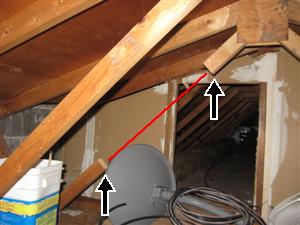
And when the roof truss gets in the way of the satelite dish installation……. R802.10.4 Alterations to trusses. Truss members shall not be cut, notched, drilled, spliced or otherwise altered in any
way without the approval of a registered design professional. Alterations resulting in the addition of load (e.g., HVAC
equipment, water heater) that exceeds the design load for the truss shall not be permitted without verification that the truss
is capable of supporting such additional loading.