My March Garden

I started turning under my cover crops yesterday. A few days of sunshine on this side of Oregon is a welcome if not unusual occurrence in March. The ground was a bit wet but in my raised beds it will dry faster than if I was gardening on the flat.


Two years ago I harvested my first ripe tomato in mid October, and vowed to do better the next year. I discovered two books, written by the same author, that were a tremendous help. Anyone on this side of the Cascade Mountains that wants to grow their own vegetables should read these books: Gardening West of the Cascades and Growing Vegetables When it Counts both by Steve Solomon. These books cover gardening from general to specific and most importantly ideas for the Westside gardener.


Many books have been written about how-to grow vegetables. A majority of these books have been written by people in other parts of the country and even other parts of the world. There is a huge amount of useful information available however sometimes there are some specifics that can be confusing for gardeners on this side of Oregon. In most other parts of the country starting seedlings indoors on a sunny window sill is common. There is one big problem with that here: we don’t get enough sun light. Starting seedlings requires artificial light. We just don’t get enough sunshine to grow stout plants early in the year.


Last year I harvested my first ripe tomato on June 21st. With the help of lights and cloches I hope to repeat my luck with early season veggies again this year.


If you want to Replace your Flooring in the Bathroom DON’T do anythnig.

The science of building has created systems to prevent water infiltration and damage. Most of the systems that are exposed to water have layers of protection. If the top layer fails there will be a second or even third layer to catch the water and kick it out before it is able to damage teh home’s components. This is true of properly constructed roofing and exterior components but not the other area in the home that sees a lot of water: the bathroom.

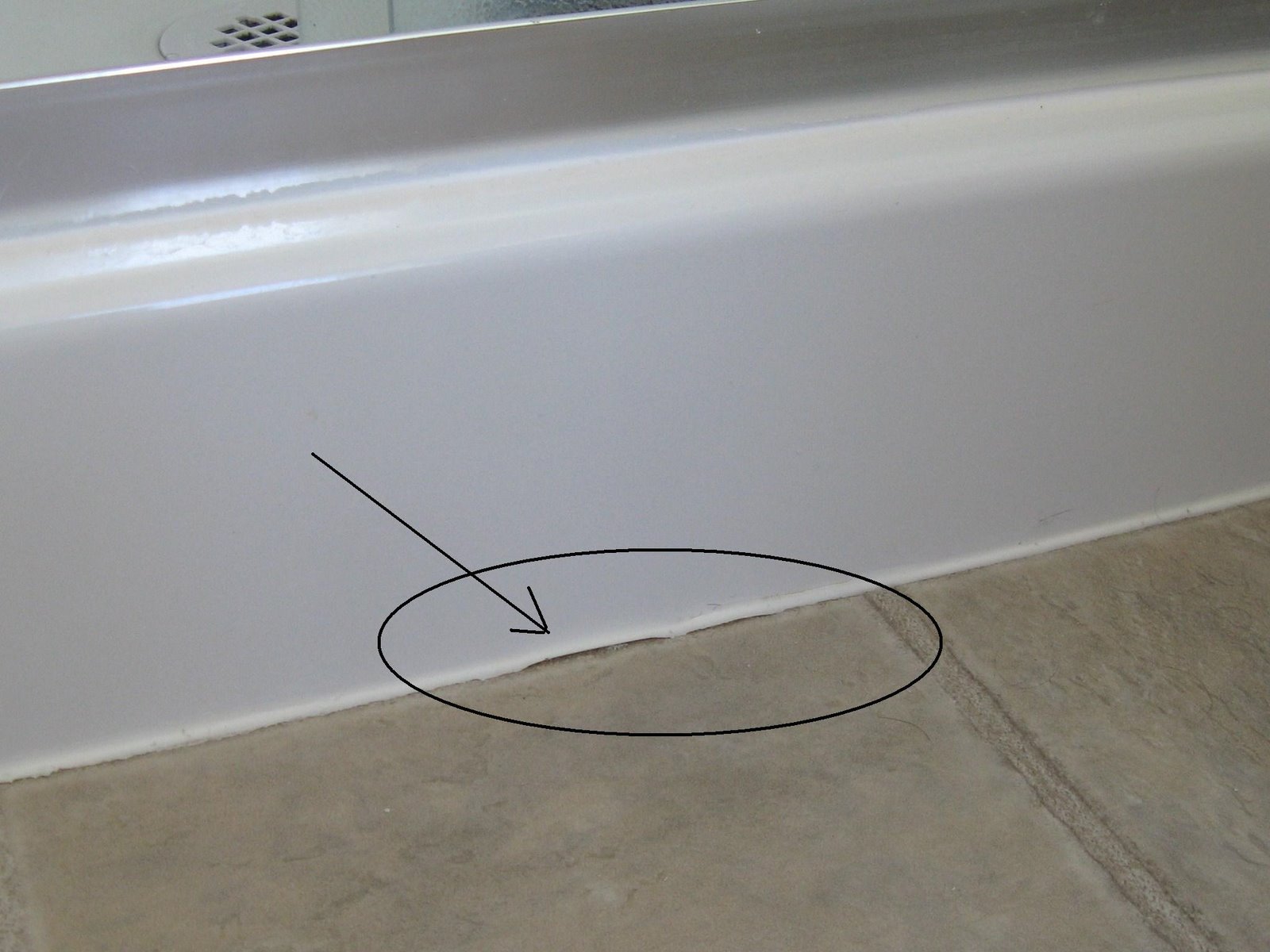
The seam between the bathtub and the flooring is especially vulnerable and is sealed with a flexible caulk. The subfloor is usually an engineered particle board and can be very sensitive to water exposure. The purpose of the caulk seam is to try to seal this joint as the two different materials move independently. The more water the seam sees the more likely it will open up, and particle board acts like a sponge that expands as soon as it is exposed to moisture.

I see grout used between the tub and the floor often, on home inspections, but it is not a very good solution. The tub is made of a different material and the grout will fracture and break.

Caulking is the best but it will need to be maintained. That means when it fails the caulk should be removed and a new, fresh seal should be applied. Seriously, when the caulking joint opens up, it is time to get in there with the razor blade and remove the old caulk. This should be done before damage to the flooring occurs.

Do not put this little maintenance item off unless you want some major changes to the flooring. If you want a comprehensive list of things in your home that you “ought to get around to,” in the Salem, Oregon area, call me.

Heating Oil Tank Program in Oregon

Oil tanks were very common between the 1920s and 1960s to store the relatively cheap heating oil for the oil furnace. If the home has exchanged hands a few times the underground tank may not be known about. The presence of oil tanks is an issue that can rear its ugly head on an inspection every now and then. Thankfully the Oregon DEQ is doing something to help.

The Department of Environmental Quality (DEQ) here in Oregon, has a program to help keep track of those oil tanks that may have been forgotten.

The site is :  http://www.deq.state.or.us/lq/tanks/lust/LustPublicLookup.asp

However this site is tricky and you should go to my later post for a better explanation on how to preform a search:

https://salemoregonhomeinspector.com/2009/07/18/heating-oil-tank-program-in-oregon-2/


If excavation or redevelopment is planned you can find information on known and suspected Heating Oil Tanks (HOT). Information on: if the site has received a closure letter for the decommissioning, assessment and certification of a HOT is available.

If a HOT is present there may be contamination of the surrounding area and a cleanup may be required. Decommissioning, assessment, and cleanup must be performed by a DEQ licensed HOT Service Provider.

For you agents out there check out this publication: What agents should know about underground oil tanks.


The Hidden Life of Leaks

Manufactured homes can be a wonderful home if you are prepared for what you are getting. The homes can be extremely efficient, even more so than a stick built home. But they do have some issues that should be carefully watched.

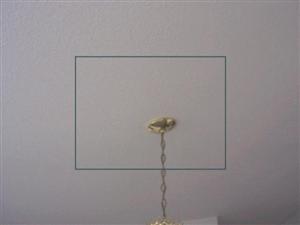
The roofs of many manufactured homes are relatively low slope and the interior ceilings are often vaulted. Both of these conditions add up to shorter than average roof life. Failure to the roofing materials and leaks can be chased and individually repaired if they can be located. Without an accessible attic space finding and fixing leaks can be tricky. Enter thermal imaging.

The other day I had the benefit of doing a Pest and Dry rot inspection here in Salem, Oregon after a different inspector had done most of a home inspection. Apparently his client had decided to end the inspection right before he inspected the crawlspace. I did get to see the other report and did not see any issues called on the roof. During my inspection I found three different issues with the roof. Right away I noted a very cool spot in the dining room. Surprise, surprise the cool spot was wet. At this point the leak could be repaired with minimal damage to the related building components.

This is just another example of the wonderful world that Thermography/infrared exposes.

Going green.


One very important aspect of shrinking our “carbon foot print,” is re-using things to reduce our consumption of new things.


Being a home inspector here in Salem, Oregon I have the unique opportunity to go into other people’s homes and poke around in their crawlspaces, on their roofs and under their sinks. All of this snooping around turns up some very creative solutions to everyday problems.


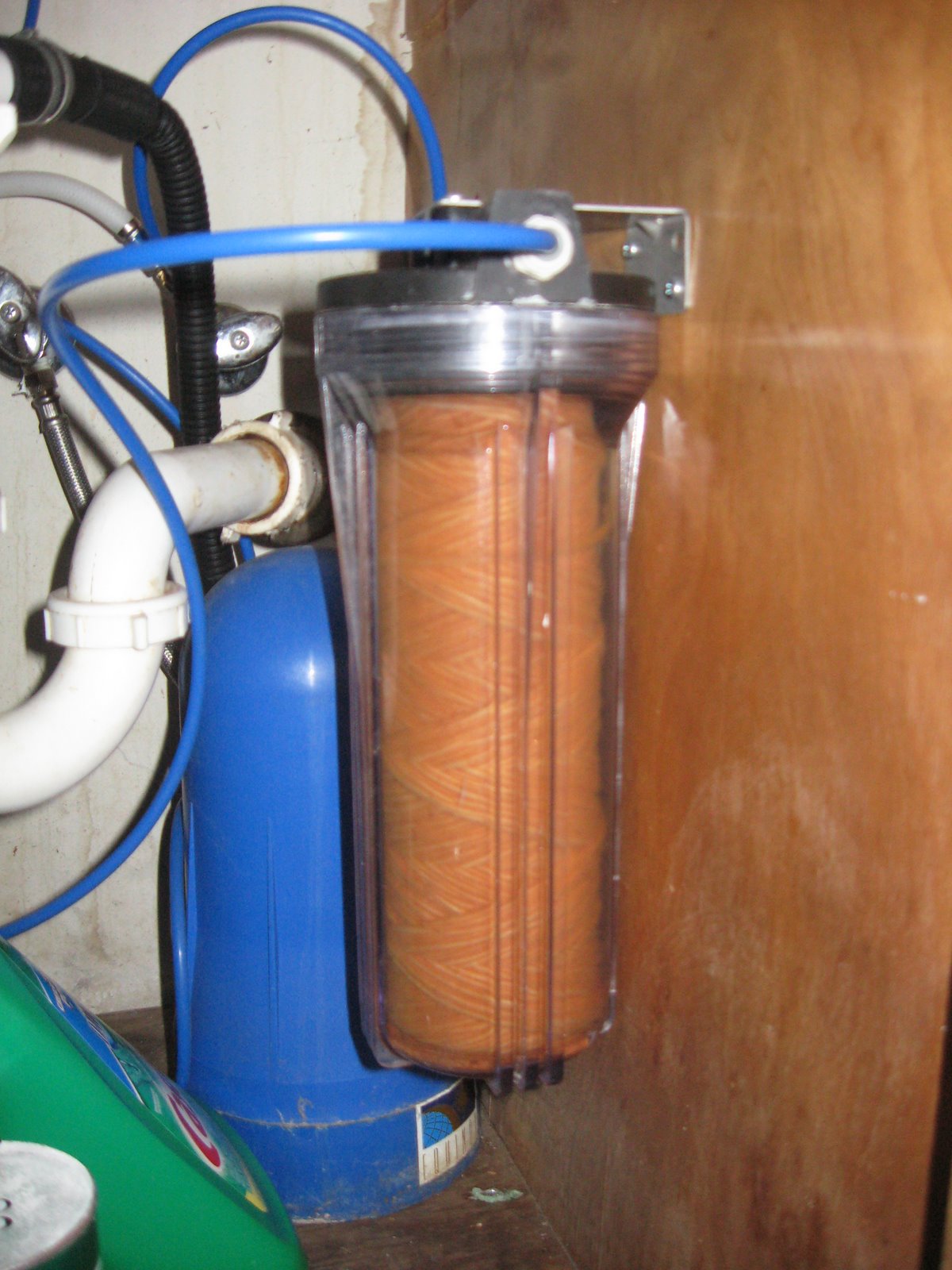
I am not sure if this is a new filter option or a very old one. This high-tech wool yarn filter may not be very effective at filtering out tiny particles but it appears to fit right in to the filter canister.


Problems Under the Surface


The wonderful world of residential construction can be very complex. A new home is a series of systems and components that rely on one another to perform properly. If the previous component is installed improperly all of the other systems that are built upon that component will not live up to their potential. I recently had the opportunity to inspect a beautiful new home here in West Salem, Oregon that was like a display home for just why you need a home inspection on a new home.

Cosmetically this home was very attractive. Vaulted ceilings, custom built-ins, crown molding and of course the ever present Brazilian cherry floors and granite counters. Under the fancy façade were a few very important details that the builder screwed up. One of those little things was a vapor retarder, big name for a very simple and relatively inexpensive component. It is basically a sheet of plastic stretched over the bare earth of the crawl space that prevents excess water vapor from leaving the soil (a normal and natural process) and being absorbed by the home’s wood structure (also a natural process but very harmful to the structure of the home).

With the vapor retarder missing, the moist soil provides all the moisture and humidity necessary for an extremely conducive environment for wood destroying organisms. Wood destroying organisms like molds, termites, and powder post beetles and other critters that can call your home food.

When I popped the lid to that crawlspace a wave of mustiness (mold spores) slapped me in the face. Upon closer inspection of the very wet, very muddy crawlspace it could be noted that although the air was full of spores from actively producing molds, no visible growing mold could be noted on the structure. However the scraps of wood, construction debris, that had been left scattered about were covered with very healthy fungal colonies.

All of that excess wood was another little screw-up. All of these little mistakes, although ultimately the builder’s responsibility, were also made by the contractors that were in charge of the vapor retarder, the contractors that left cellulose debris (plumbers, framers, and electricians), and the government official (building inspector) that is paid to ensure that these things don’t happen.

This poor home had other serious issues. Homes like these sometimes makes me wonder about some people’s integrity, however I guess it will always be job security for honest, independent building consultants.


Smoke Detectors detect more than smoke

Smoke detectors should be our silent watchmen. They should patiently wait, ready to alert us of the possibility of fire. Unfortunately sometimes they go off for reasons other than fire:


2:30am Instantly awake! All of the smoke detectors in our home are going off. BEEP, BEEP, BEEP!!! For close to 30 seconds then they turn off. I jump out of bed and run into the hall between the kid’s and our room ready to assess the situation and get the kids out of the house……Nothing, no smell of smoke, no crackling fire. No indication of fire at all! At this point, the sudden rush from being totally asleep to totally awake and high on adrenaline for no apparent reason has me more than a little irritated.

Our home was less than a year old so the next morning I called our builder. He said he had never heard of that and didn’t know what to tell me. I let it go. The silly detectors performed properly for another 6 months and the same thing happened! Middle of the night, sound asleep, BEEP, BEEP, BEEP!! for about 30 seconds.

A few months later I got a call from a client describing a similar situation. I called the detector company.

Within a few minutes I was describing the phantom alarms to a real person at customer service. He guessed that a spider was causing these false alarms! Our wired-in alarms has a little green light that attracts the spiders. When the spider gets to crawling around and exploring the crevices it steps into the ionization sensor. The sensor ‘sees’ the spider as smoke and sounds the alarm. All of this sudden vibration alarms the spider who promptly finds a new place to explore.

The best thing to do to (hopefully) prevent this arachnid exploration is to blow out the detector and sensor with ‘canned air’ every so often. Spiders are territorial and if they are disturbed repeatedly they will find new areas to hang-out.

It has been about a year and a half since the last false alarm. I hope this insight answers some questions for those of you who have had similar experiences.

Radon and the Crowd it Rolls with.

Radon can make you very sick and has been linked to more cases of lung cancer than tobacco. Radon is a radioactive gas that is produced when uranium degrades. Uranium has a tendency to geologically ‘hang,’ with granite. This is significant due to the fact that the geology of granite and other minerals can be mapped.

The EPA has a fantastic resource for general knowledge on all kinds of different environmental issues. They have a radon exposure map that is based on a geologic map of the United States. Basically it categorizes areas of the US depending on what type of rock is found in that area.

Unfortunately this map is only a good guess. It cannot tell your home or any other home has a radon issue. The only way to determine if your home has a radon issue is to (shameless plug) get it tested. If you live in Salem, Oregon I just happen to know of a fantastic home inspector that can help….


Edge metal flashing on rake rafters

This flashing’s improper installation is pervasive. Despite the fact that there are instructions on every bundle of shingles detailing this as an improper installation.

It must seem like a good deal to put the metal on the top. Maybe it seems like a good thing to cover the edge of the hand-cut shingles that, due to lack of experience, look like a rodent chewed on them.

No matter what the reasoning, putting edge metal on top of the shingles is always wrong. When rain is hitting and running down the top of the shingles, edge metal on top allows water to wick under the metal and access the wood rafter and sheathing. This condition will promote wood rot.

Unfortunately repair of this condition can become significant if the edge flashings have been in place for a few years. Ideally you should replace the shingles that were involved when the metal was nailed down. Although those holes could be filled, you would need to re-fill the holes every few years as the caulking/tar releases its grip. Depending on how long the flashing was installed incorrectly, there will also be sheathing and possibly rafter damage.

The repair of this issue is quickly approaching the exclusive realm of a professional contractor. Although I am a big fan of DIY sometimes the mark of a true craftsman is knowing when to sub out to a qualified professional.