Home inspections Salem Oregon

Problems Under the Surface


The wonderful world of residential construction can be very complex. A new home is a series of systems and components that rely on one another to perform properly. If the previous component is installed improperly all of the other systems that are built upon that component will not live up to their potential. I recently had the opportunity to inspect a beautiful new home here in West Salem, Oregon that was like a display home for just why you need a home inspection on a new home.

Cosmetically this home was very attractive. Vaulted ceilings, custom built-ins, crown molding and of course the ever present Brazilian cherry floors and granite counters. Under the fancy façade were a few very important details that the builder screwed up. One of those little things was a vapor retarder, big name for a very simple and relatively inexpensive component. It is basically a sheet of plastic stretched over the bare earth of the crawl space that prevents excess water vapor from leaving the soil (a normal and natural process) and being absorbed by the home’s wood structure (also a natural process but very harmful to the structure of the home).

With the vapor retarder missing, the moist soil provides all the moisture and humidity necessary for an extremely conducive environment for wood destroying organisms. Wood destroying organisms like molds, termites, and powder post beetles and other critters that can call your home food.

When I popped the lid to that crawlspace a wave of mustiness (mold spores) slapped me in the face. Upon closer inspection of the very wet, very muddy crawlspace it could be noted that although the air was full of spores from actively producing molds, no visible growing mold could be noted on the structure. However the scraps of wood, construction debris, that had been left scattered about were covered with very healthy fungal colonies.

All of that excess wood was another little screw-up. All of these little mistakes, although ultimately the builder’s responsibility, were also made by the contractors that were in charge of the vapor retarder, the contractors that left cellulose debris (plumbers, framers, and electricians), and the government official (building inspector) that is paid to ensure that these things don’t happen.

This poor home had other serious issues. Homes like these sometimes makes me wonder about some people’s integrity, however I guess it will always be job security for honest, independent building consultants.


Radon and the Crowd it Rolls with.

Radon can make you very sick and has been linked to more cases of lung cancer than tobacco. Radon is a radioactive gas that is produced when uranium degrades. Uranium has a tendency to geologically ‘hang,’ with granite. This is significant due to the fact that the geology of granite and other minerals can be mapped.

The EPA has a fantastic resource for general knowledge on all kinds of different environmental issues. They have a radon exposure map that is based on a geologic map of the United States. Basically it categorizes areas of the US depending on what type of rock is found in that area.

Unfortunately this map is only a good guess. It cannot tell your home or any other home has a radon issue. The only way to determine if your home has a radon issue is to (shameless plug) get it tested. If you live in Salem, Oregon I just happen to know of a fantastic home inspector that can help….


Edge metal flashing on rake rafters

This flashing’s improper installation is pervasive. Despite the fact that there are instructions on every bundle of shingles detailing this as an improper installation.

It must seem like a good deal to put the metal on the top. Maybe it seems like a good thing to cover the edge of the hand-cut shingles that, due to lack of experience, look like a rodent chewed on them.

No matter what the reasoning, putting edge metal on top of the shingles is always wrong. When rain is hitting and running down the top of the shingles, edge metal on top allows water to wick under the metal and access the wood rafter and sheathing. This condition will promote wood rot.

Unfortunately repair of this condition can become significant if the edge flashings have been in place for a few years. Ideally you should replace the shingles that were involved when the metal was nailed down. Although those holes could be filled, you would need to re-fill the holes every few years as the caulking/tar releases its grip. Depending on how long the flashing was installed incorrectly, there will also be sheathing and possibly rafter damage.

The repair of this issue is quickly approaching the exclusive realm of a professional contractor. Although I am a big fan of DIY sometimes the mark of a true craftsman is knowing when to sub out to a qualified professional.

Comfort level: Regular, Delicate Sheer, or Permanent Press?

Home owners can be very creative people. This is especially true of people from previous generations and people here in South Salem, Oregon.


If I had a nickel for every automotive part used in plumbing repairs that I have seen….I would have enough for a happy meal….maybe.


Recently while diligently checking a home’s heating system this dryer control knob was noted on a wall heater. I am not sure how hot ‘permanent press’ is or even ‘Delicate sheer’ but I am sure the knob fits tight and with a little training, might help dry the home’s air.


If it was a snake….it would have been too late.

Ah, the hazards of poking around someone elses home. We do get a fair amount of rain during the winter months in western Oregon. All of that precipitation can sometimes lead to a high water table. That is one reason there are so many crawlspaces in this area. If water does come up out of the ground it is hopefully safely covered with a nice plastic vapor retarder, instead of wreaking havoc with finished surfaces.
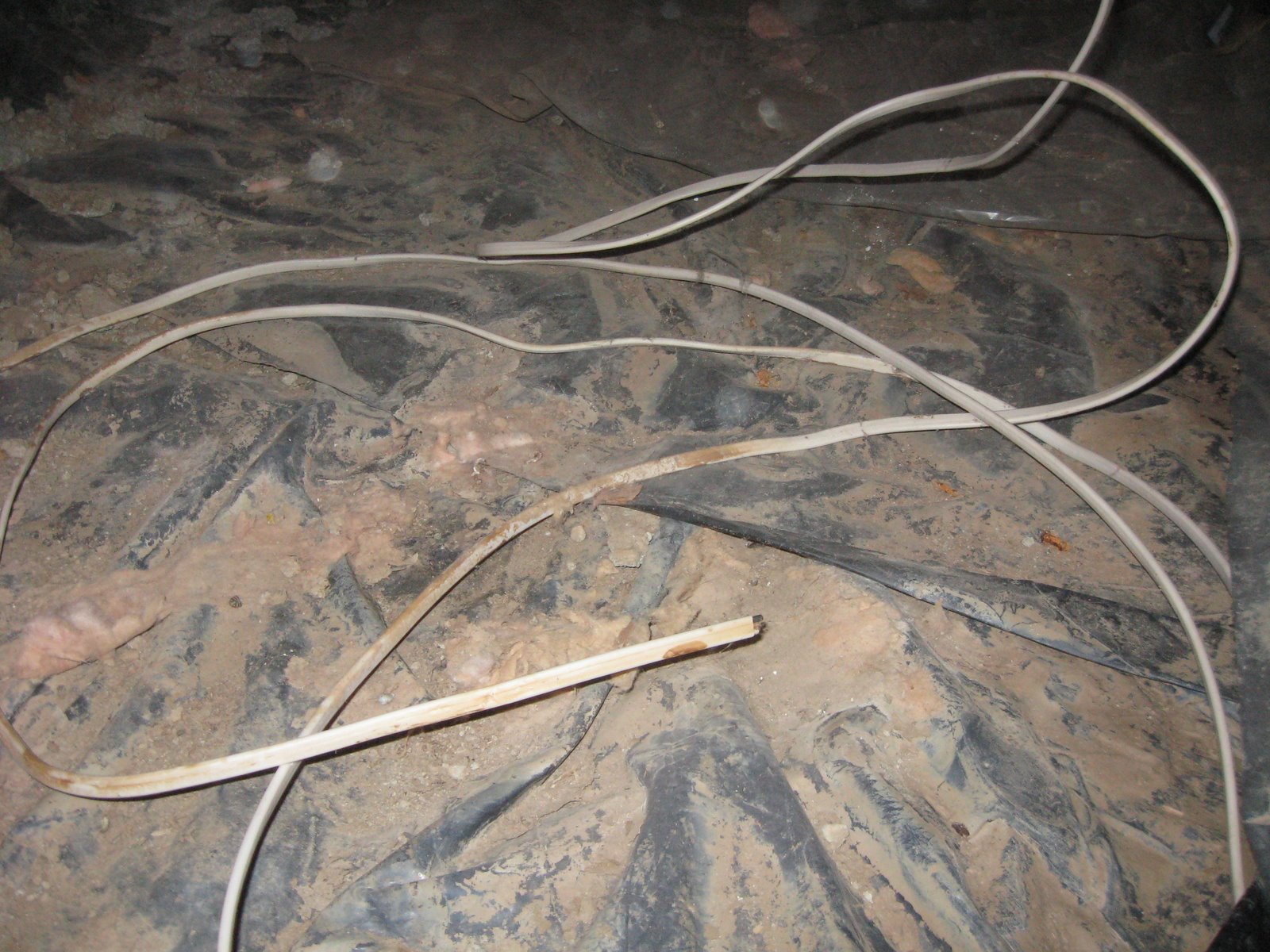
It can be very common for inspectors to see standing water when it comes time to crawl around with the spiders. I am not afraid of water, however when water is present with electricity that is a different story.


I came upon this deadly little coiled booby trap the other day.


This wonder piece of homeowner electrical handiness was currently energized, thank goodness the crawlspace was dry.


Where is this Water coming from?

Being an inspector equipped with a highly advance thermal camera I have been called upon to find quite a few leaks.

Leaks can be very frustrating and challenging. Our modern, climate controlled, super insulated and immaculately finished homes do not respond well to storm water on interior surfaces. Window sills swell, drywall turns brown, and wood floors crack. How rude it is when Mother Nature invites herself into the world we control.

A very interesting pattern has developed after a few dozen, “….help me find where this leak is coming from,” calls. A majority of the calls that were related to storm water had three significant things I common: the leakage could be noted in a window opening, the window was on the south side of the home and the siding was a lap type.

With properly installed flashing homes should not leak. However it is nearly impossible to ensure contractors install something properly especially if it is above and beyond those minimum building standards some call ‘codes’. Caulking is always a good first line of defense but if the openings are flashed properly, caulking should not even be needed to keep the home water tight.

Before all of our modern, space aged materials it was common knowledge to crack open a leeward window in windy and wet conditions. With a modern understanding of hydro-dynamics we now understand that when wind hits a home a low pressure vortex is actually created inside the home. This means that in windy, wet conditions water is not necessarily blown-in but pulled-in. When the window on the leeward side of the home is cracked open, the pressures are able to equalize. Many intermittent leaks can be slowed, stopped or completely prevented.

If you do have a leak around a window or door, your flashing is not adequate and should be repaired. This can potentially mean thousands of dollars. In the mean time, if the wind is blowing rain at your home, try cracking a window on the other side of the home.


This Carpenter is going to Destroying your Home

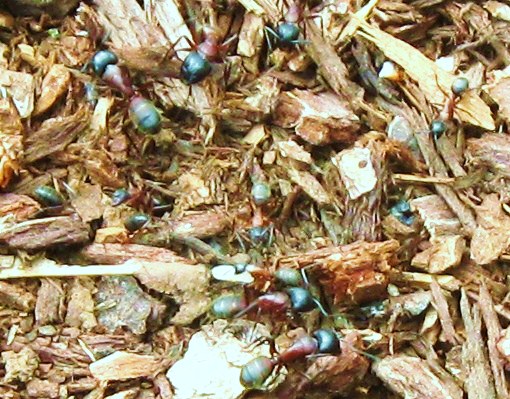
These carpenters just don’t care what you want and they are just going to make themselves at home.   They are just one of the three big players in the wood destroying insect world around Salem, Oregon.  Or the pest part of a “Pest and Dry rot” Inspection.  Overall carpenter ants are relatively easy to control but this control does require some environmental adjustment and future vigilance.

One of the most common conditions that cause ant activity is Bark dust/mulch.  Bark dust is used in this area as a mulch to beautify flower beds, limit rain splash and stifle weed growth.  Another thing that a thick layer of this stuff does is it provides a very favorable home to carpenter ants.  The large bulk piles the suppliers have are usually filed with ant nests and when your neighbor gets a large pile delivered you had better watch out!
The nest that was harmless in the bulk pile is relocated and now these ants start looking for a better home.

Depending on your home’s condition it might provide the perfect areas for the ants to move-in.  Another often overlooked area for carpenter ant activity and nest making is wood retaining walls.  Yes even the treated wood can be a great place for these critters to call home.  The reason poisonous treated wood is a good home for carpenter ants is because they do not actually eat the wood.  Unlike termites and anobiid beetles carpenter ants just hollow out the wood to make nests.  The ants eat insects and other little woodland creatures but not wood, so the poison does not effect their ability to make a nest.

Plants up against the home are probably the next big issue that contribute to ant activity.  The plants seem to keep the home more humid and may damage the siding allowing easier access.  Also if you are applying a perimeter treatment the ants can gain elevation on the plants and enter your home without touching the poison.
Any way you look at it plants in contact with your home, wood retaining walls and thick bark dust are all bad news and any of the many types of carpenter ants we have around the Salem, Oregon area would love to make themselves at home in yours.


Jim Allhiser President/Inspector
http://SalemOregonHomeInspections.com
503.508.4321         jallhiser@perfectioninspectioninc.com

“Always on the cutting edge”

Page copy protected against web site content infringement by Copyscape

Termites like boxed lunches

Come and get it!Crawl space maintenance is like going to the dentist. With a few simple and relatively easy maintenance steps you can keep the underside of your home from needing a root canal.

One very poplar issue I find is wood debris. When a home is built some of the wood framing or sheathing members will need some adjustment. Holes are bored, notches are cut and ends are scrapped to allow wires, pipes and pieces to fit. All of this adjustment adds up to a lot of wood scraps. If a contractor, make that human, can pass the clean-up buck they will. Eventually the wood that should-have-been cleaned up will get covered up, never to be seen again…..

Enter wood destroying organisms. (Termites, beetles, carpenter ants and fungal rot) These critters are opportunists. Most of the time wood destroying organisms will need relatively moist wood. If they can’t find an easy meal they go elsewhere.

All of those wood scraps that are in contact or close to the moist ground are a perfect snack. Once all of that wood is consumed the hungry critters will start to look for their next meal. Mm mm wood.

I know the termites will be disappointed that I suggested the removal of their boxed lunch. The contractor was very kind to think of the wood eating critter’s busy schedule. The box of cellulose is the perfect thing for the modern WDO’s hectic lifestyle.

Grow mold in your attic (vent to the soffit)

Ah mold. It is such a hot button. I know just by putting the word MOLD into my title this post will get attention.

People are interested, but I am still surprised at the lack of knowledge or the inaccuracy of knowledge (even you agents who need to know the basics).

This is not intended to be a general knowledge post. (go here for that) This is a heads up for everyone on the issues concerning acurrently accepted means of exhausting bathroom vents. It is acceptable, by International building codes to duct bathroom vents to an attic vent (any vent). This is usually a good thing and definitely better than venting directly into the attic. Recently I came across a very new home (only four years old) that had some mold growth in the attic. Not really a huge amount, however mold spores are microscopic and you cannot determine if it is affecting Indoor Air Quality without getting a lab involved. With closer investigation it could be noted the exhaust fan for the shower and toilet area was ducted to the nearby soffit vent. This is currently acceptable by building standanrds however in this case it was the root of the issue.

The way an attic vent system works is like a chimney, as the roof heats cool air is pulled into the soffit vents and hot air is exhausted out the ridge vents. So as the diligent home owners ran their exhaust fans during the steamy shower all of the warm steam was pointed at an intake vent!! All the moisture exhausted toward the vent and promptly turned around and was able to condense on the cool attic surfaces as the soffit vent did its job.

The Bomb in your Basement or Garage

Although in Salem Oregon water heaters do require a Minor Label for professional water heater installation, many handy home owners tackle this job on their own.

Here are just some of the things that well meaning installers can get totally wrong:

Lack of Straps: Water heaters in this area should be strapped on the top third and bottom third, to resist movement in a seismic condition. Water heaters are bombs, high temperature water under pressure can be an explosive combination. It is important to prevent the tank from moving.

Flue issues: This is absolutely important with gas appliances. If you don’t get the flue right you can allow carbon monoxide to freely enter your home. This particular flue was built out of vinyl dryer ducting. The plastic had been melting into a puddle on the top of the tank.

This is this home owners solution for the flue exhaust. The home owner may have thought that a clothes dryer and a gas fired water heater were basically the same thing.

Here is a picture of the draft hood in action. Notice the lighter’s flame tipped away from the hood. This means that flue gases, instead of going outside, are coming inside! This is potentially a deadly setup that has apparently been in place for years.

These are just some of the many things that can be done wrong by a less-than-handy handy person.